
2026-10-24 · Elias Vance
How Spring Rains Trigger Drain Backups in Athens Homes
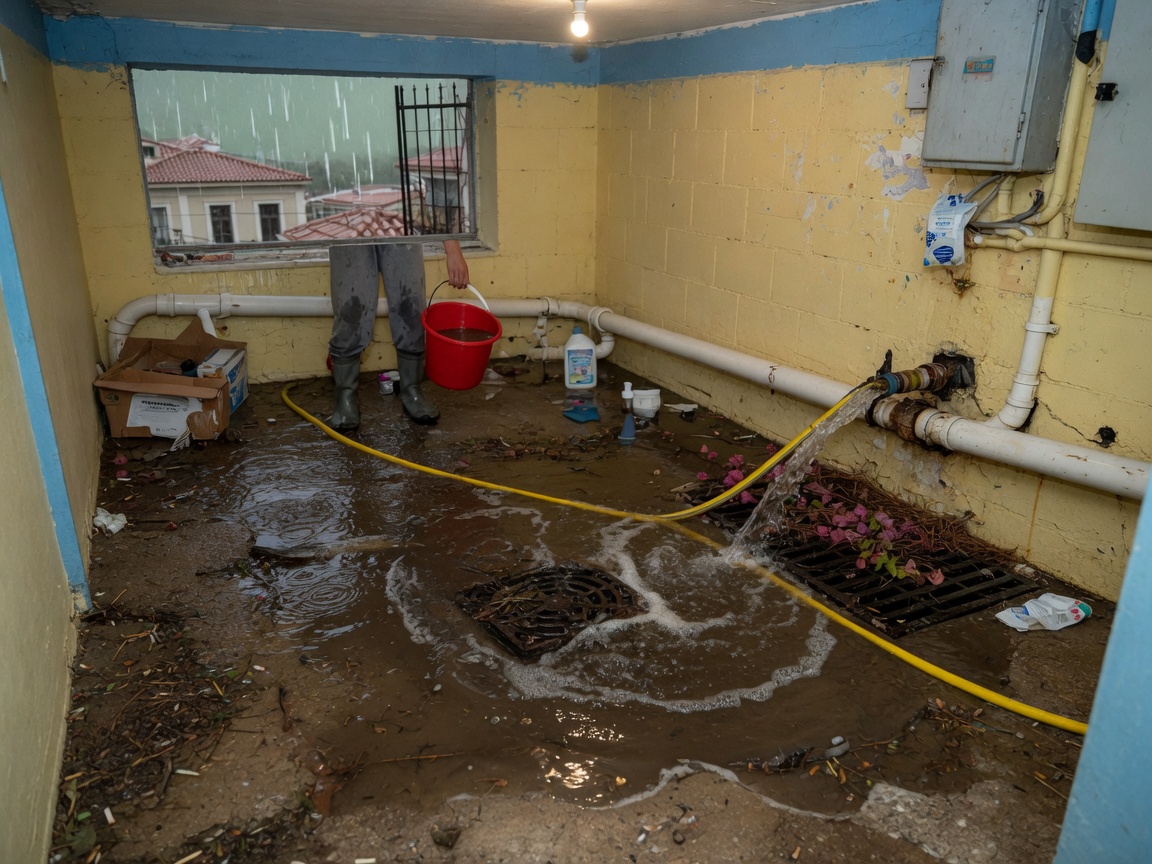
Spring rains in Athens significantly increase the likelihood of drain backups in homes, primarily due to the older infrastructure common in neighborhoods like Five Points, Normaltown, and Boulevard, coupled with the area's humid subtropical climate. When heavy spring downpours hit Clarke County, the storm drains and main sewer lines often become overwhelmed, leading to a surcharge that can push water back into residential plumbing systems. This issue is exacerbated by existing blockages from tree roots, grease, and sediment that accumulate over time, turning what might be a slow drain into a full-blown backup when external water pressure rises. Homeowners in Athens often notice these problems manifesting as toilets that won't flush, bathtubs that won't drain, or even floor drains in basements overflowing during or immediately after a substantial rain event.
How Athens' Climate and Soil Impact Drain Systems
Athens experiences a humid subtropical climate, characterized by hot, muggy summers and mild, wet winters, which transitions into a rainy spring season. This consistent moisture, especially during spring, saturates the clay-rich soil prevalent across Clarke County. When the ground becomes waterlogged, it exerts significant pressure on underground pipes. Older homes, particularly those in historic districts like Downtown Athens or near the University of Georgia, often have cast iron or clay pipes that are more susceptible to cracking, shifting, or developing compromised joints under this external pressure. These vulnerabilities create entry points for tree roots seeking moisture and allow soil and debris to infiltrate the system, forming blockages that are then easily overwhelmed by increased water flow from spring rains. The combination of heavy rainfall and expansive clay soil creates a perfect storm for drain issues.
The Role of Tree Roots in Spring Drain Backups
Tree root intrusion is a major culprit behind drain backups in Athens, especially during the spring. The abundance of mature trees throughout neighborhoods like Boulevard and near landmarks such as the State Botanical Garden of Georgia means that extensive root systems are constantly seeking water and nutrients. As the ground softens with spring rains, roots can easily penetrate even the tiniest cracks or loose joints in underground sewer lines. Once inside, they grow rapidly, forming dense masses that act as nets, catching grease, hair, and other debris. What might be a minor root intrusion during drier periods can quickly become a complete blockage when heavy spring rains flood the system. The increased volume of water has nowhere to go, forcing it to back up into homes. Addressing these root intrusions often requires specialized services like tree root removal from drains or even hydro jetting services to clear the blockage effectively.
Overwhelmed Municipal Systems and Their Effect on Homes
Athens' municipal storm and sewer systems, while designed to handle typical rainfall, can become overwhelmed during the intense downpours common in spring. Many parts of the city, particularly older areas, rely on combined sewer systems or separate systems that may not have the capacity for sudden, heavy influxes of water. When the public sewer lines near your home in East Athens or Normaltown reach capacity, the excess water has to go somewhere. This can create a backpressure effect, pushing sewage back up through your home's main sewer line. This is a particularly unpleasant form of drain backup, often affecting multiple fixtures simultaneously, including toilets, showers, and floor drains. It underscores the importance of a well-maintained private sewer lateral to minimize the risk of backflow during these events. For more insight into these issues, our article on tree root intrusion in Athens drain lines near the University area offers additional context relevant to the urban landscape.
Common Drain Backup Points During Rainy Seasons
During spring rains, certain drains in Athens homes are more prone to backing up than others. The main sewer line is often the first point of failure, as it's the primary conduit for all wastewater leaving your home. If this line is blocked, backups can appear in various fixtures. Basement floor drains are also highly susceptible, especially in homes with basements or crawl spaces where the drain is at the lowest point. When the ground around the foundation becomes saturated, water can seep in and overwhelm these drains. Toilets are another common indicator, as they often back up first when the main line is struggling. Finally, shower and bathtub drains can also show signs of slow draining or backups, particularly if they are lower than other fixtures or if there's a localized clog exacerbated by increased system pressure. Recognizing these common points can help homeowners identify an issue quickly.
Preventing Spring Rain-Related Drain Backups
While you can't control the weather, Athens homeowners can take proactive steps to minimize the risk of spring rain-induced drain backups. Regular drain maintenance is key. Consider scheduling a professional drain camera inspection before the heavy spring rains begin, especially if your home is older or you've experienced slow drains in the past. This allows us to identify potential blockages like root intrusion or pipe damage before they become emergencies. Avoid pouring grease down kitchen sinks, as it solidifies and catches debris, contributing to clogs. Ensure your gutters and downspouts are clear and direct water away from your home's foundation to reduce soil saturation around your sewer lines. For homes with known root issues, periodic rooter services can keep the lines clear. Being proactive can save you from the stress and expense of an emergency drain cleaning during a downpour.